
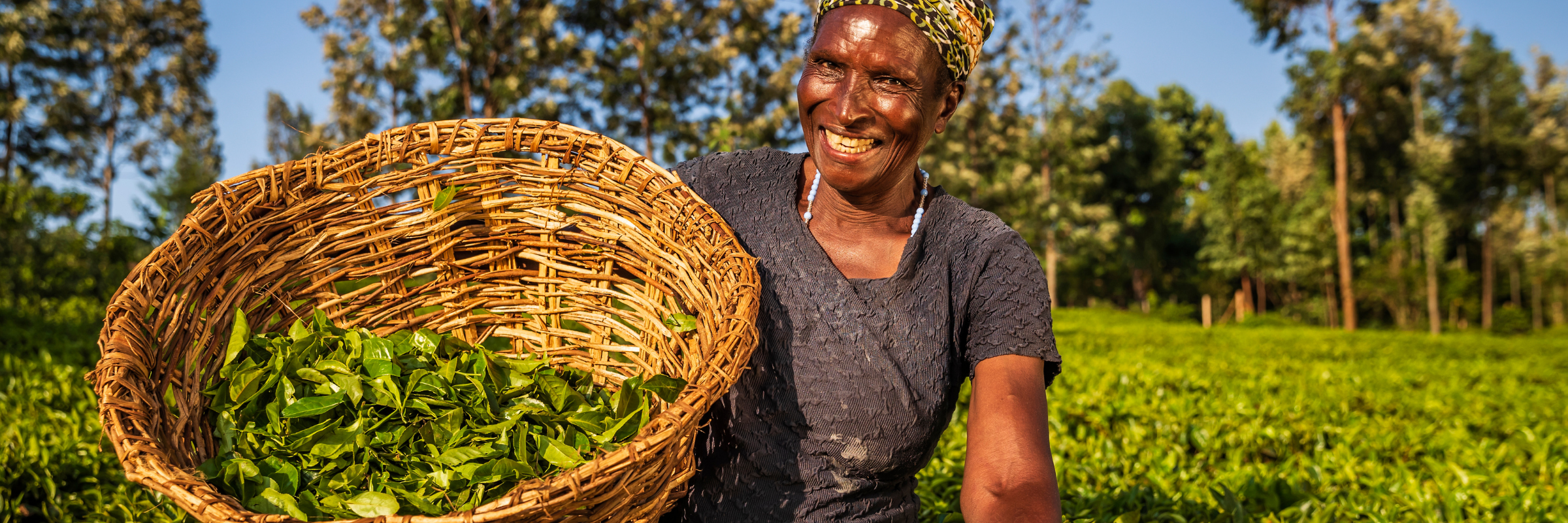
Kenya’s tea-growing regions offer one of the most favorable ecosystems for tea cultivation in the world. The red volcanic soils are extremely rich in minerals, giving the tea its characteristic brightness and full-bodied flavor.
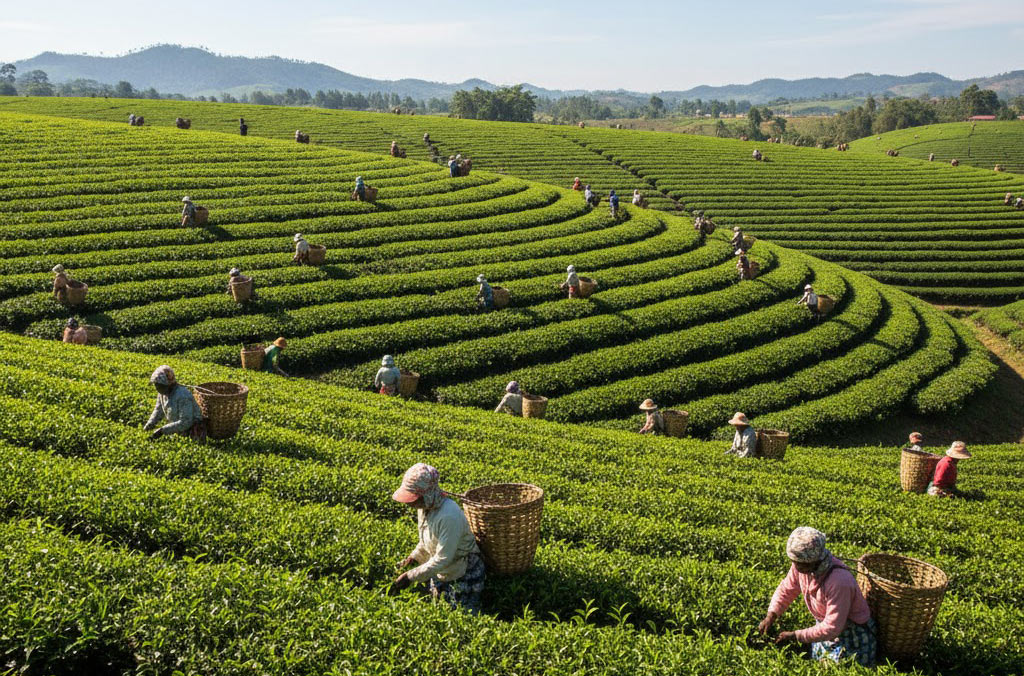
High Altitude Factor: Tea is grown on plateaus between 1,500 and 2,700 meters above sea level. Cooler temperatures at these altitudes slow the growth of tea leaves, allowing aromatic compounds to concentrate more densely in the leaves.
No Pesticide Use: The high altitude and cool climate prevent the proliferation of pests, meaning Kenyan teas can be grown naturally without the need for chemical pesticides.
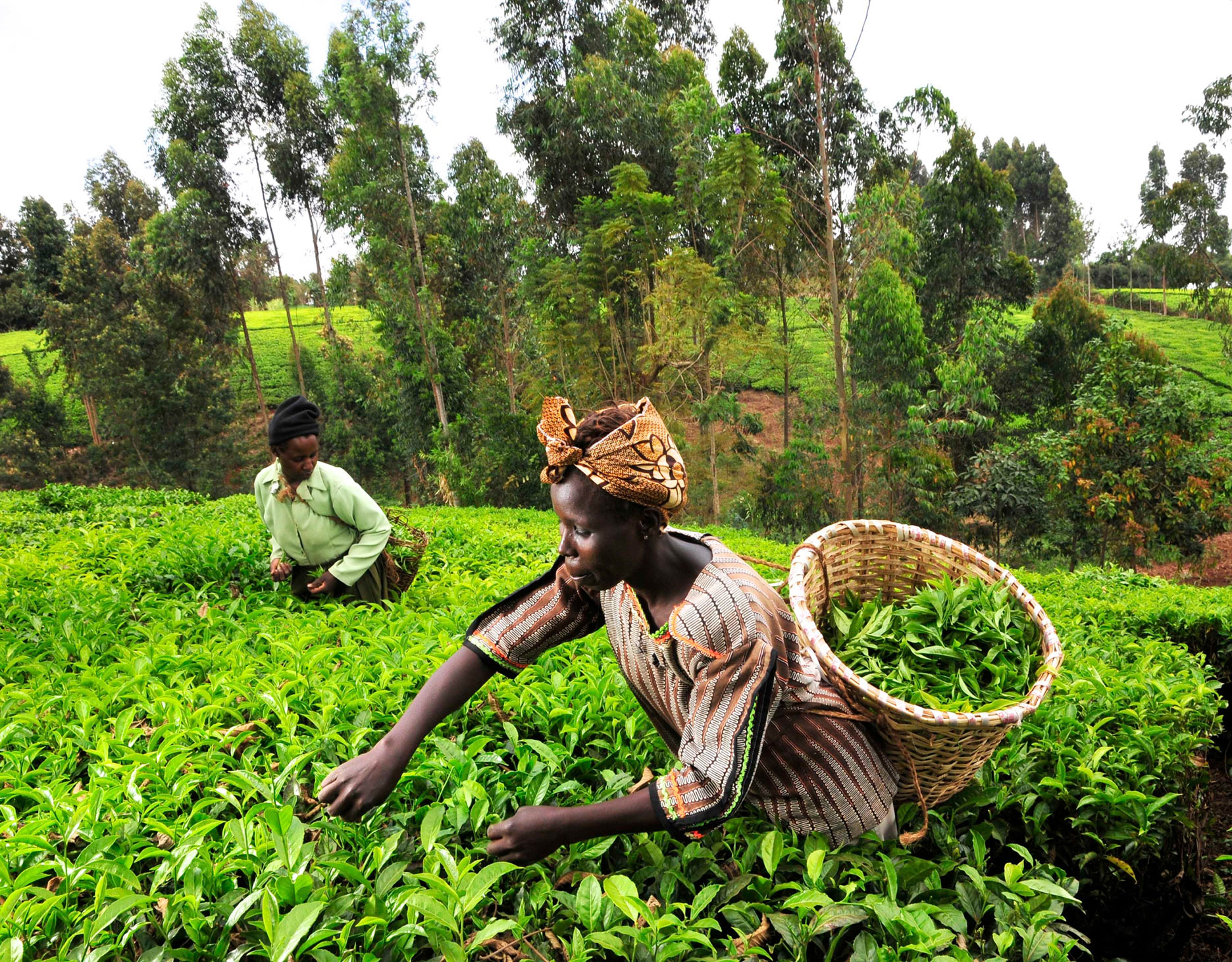
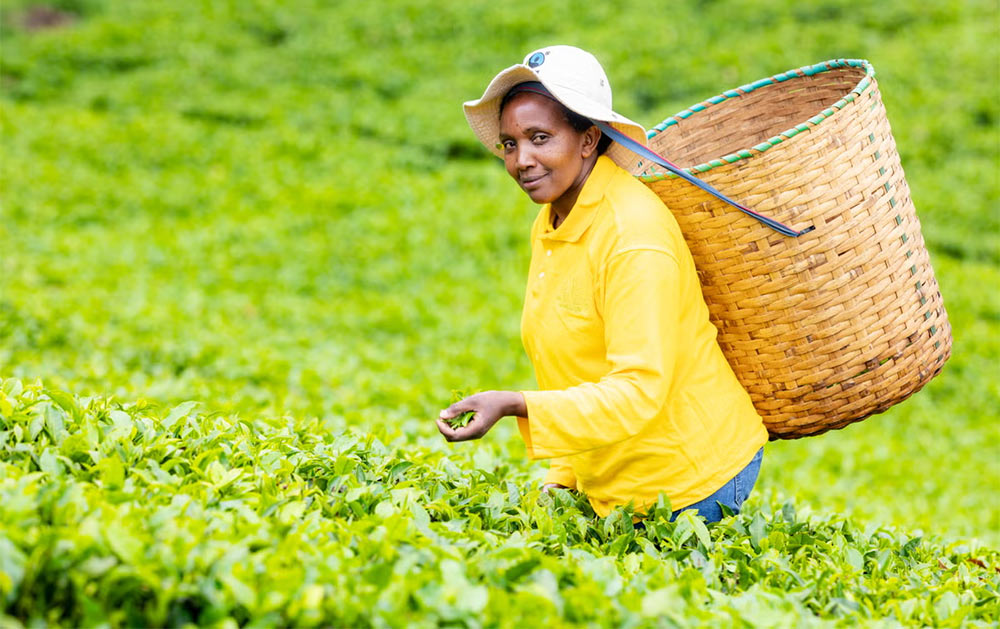
Hand-Picking Tradition: Instead of mechanical harvesting, tea is carefully hand-picked following the “two leaves and a bud” rule. This prevents leaf damage and ensures only the highest quality parts are processed.
Rich in Antioxidants: Research shows that Kenyan teas, particularly purple and green varieties, contain higher levels of polyphenols and catechins compared to teas from other regions.
Year-Round Supply: Unlike regions such as India or China, which have seasonal dormancy, Kenya produces tea every month. This reduces stock costs for buyers and ensures a continuous supply of fresh tea.
Kenya Black Tea (CTC – Crush, Tear, Curl)
Known for its quick brewing and strong aroma.
- D1 (Dust 1): Finest tea dust, brews fastest and produces the richest color.
- Characteristics: Robust taste, bright reddish liquor, high caffeine content, and aromatic fragrance.
- Usage: Ideal for tea bag blends and milk tea consumption.
Export Grades:
- BP1 (Broken Pekoe 1): Largest leaves, highest quality CTC grade.
- PF1 (Pekoe Fannings 1): Medium-sized leaves, perfect for tea bags.
- PD (Pekoe Dust): Smaller leaves, fast-brewing type.
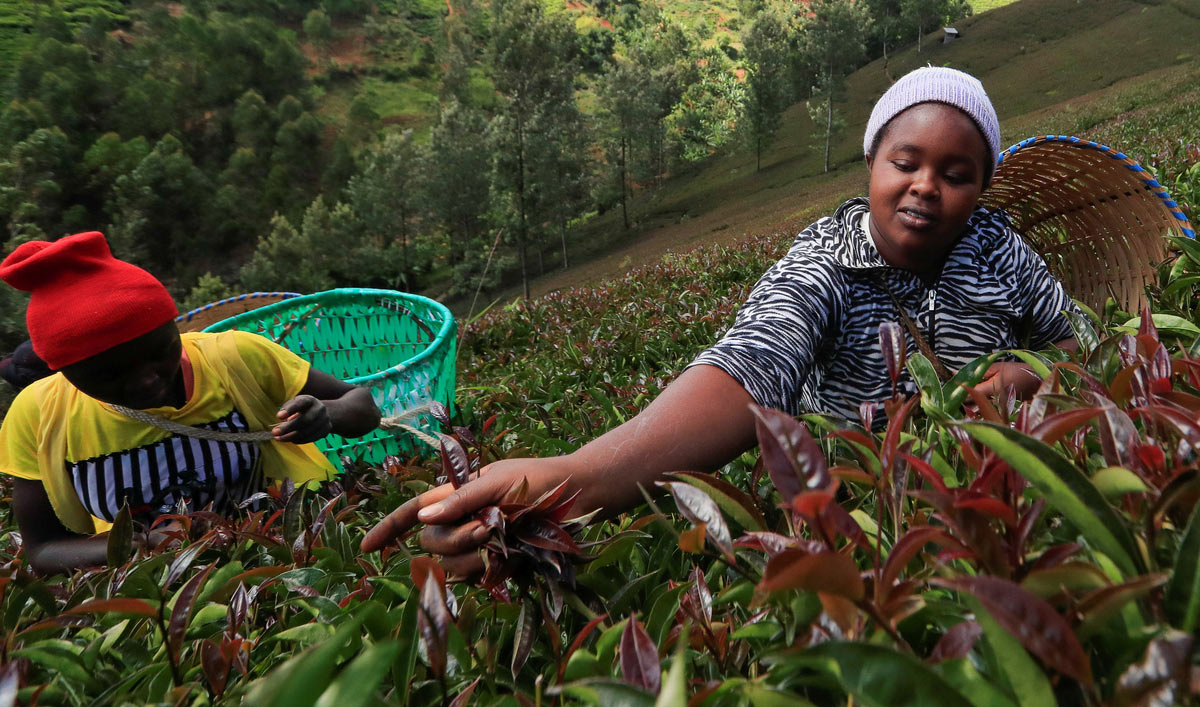
Purple Tea (TRFK 306/1)
A unique variety native only to Kenya, naturally developed through mutation without genetic modification.
- Market Value: Considered a “superfood,” making it a high-value, niche product.
- Characteristics: Leaves are dark purple and contain more antioxidants (anthocyanins) than green tea. When brewed, it produces a light purple/greenish liquor that turns pink with a few drops of lemon.
- Flavor Profile: Woody, mildly sweet, with low astringency.
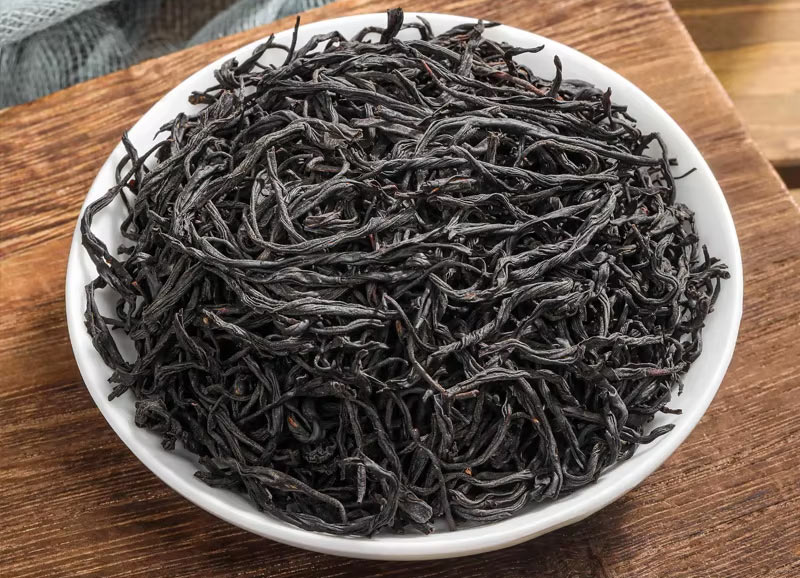
Orthodox Tea
Tea processed using traditional methods that preserve the integrity of the leaves. Unlike CTC, it undergoes a slower and more controlled production process.
- Target Market: Gourmet tea shops, boutique cafés, and premium tea consumers.
- Characteristics: Whole or large broken leaves. Offers a more complex and sophisticated aroma.
- Flavor Profile: Fruity and floral notes.
Green Tea
Made from leaves whose oxidation is halted during the production process.
- Export Form: Available as loose leaf or packaged products.
- Characteristics: Grown in Kenya’s high-altitude regions, giving it a high polyphenol content.
- Flavor Profile: Grassy, fresh, with subtle nutty notes.
White Tea / Silver Needle
The most exquisite type of tea, made by hand-picking the unopened buds at the top of the tea plant and sun-drying them.
- Economic Value: Limited production makes it the highest-value tea per kilogram for export.
- Characteristics: Minimally processed, with buds covered in fine silver hairs.
- Flavor Profile: Extremely delicate, with a smooth, honeyed taste and subtle melon notes.